
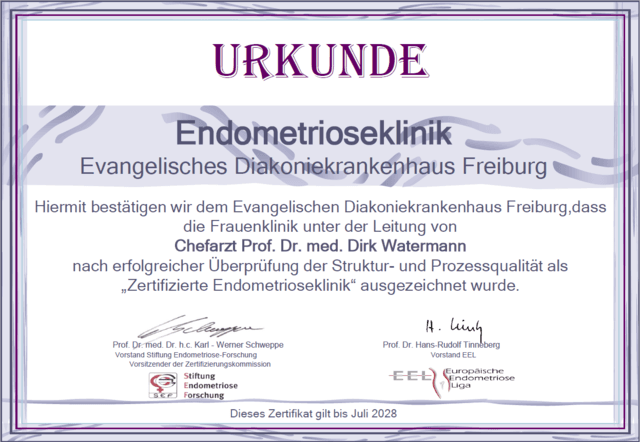
Endometriosis Clinic
Do you suspect you have endometriosis, or has it already been diagnosed?
We know how distressing the symptoms of endometriosis can be. We would like to inform you about the condition and the treatment options.
Endometriosis is a benign, chronic condition in which tissue similar to the lining of the womb (endometrium) occurs outside the uterus. One in ten women of childbearing age has endometriosis. Nevertheless, this condition receives too little attention. Often several years pass between the appearance of the first symptoms and diagnosis.
Typical symptoms of endometriosis are:
- Pain during menstruation
- Pain during sexual intercourse
- Chronic lower abdominal pain
- Pain during bowel movements or urination
- Unfulfilled desire to have children
- Bleeding disorders
Our consultation hours
The consultation serves to clarify whether you have endometriosis. In addition to a detailed discussion, the consultation includes a gynaecological examination and a specialised ultrasound scan. Further examinations may follow, for example an MRI scan. Extended diagnostics for endometriosis include a laparoscopy. In this procedure, the abdominal cavity is examined under anaesthesia using minimally invasive techniques for endometriosis lesions, which can also be removed during the same procedure.
If you have been diagnosed with endometriosis, we will be happy to advise you on the treatment options. The aim of treatment is to relieve your pain and improve your quality of life. This includes hormone therapy, surgical therapy with removal of the endometriosis lesions and adequate pain therapy. We also help you to help yourself in everyday life. Pain can be influenced, for example, by exercise, physiotherapy and diet. We will also be glad to advise you if you have an unfulfilled wish to have children and, if necessary, can refer you to our cooperation partner, the fertility practice CERF.
Contact
We look forward to advising you personally in our clinic.
You can reach us on: 0761 1301-2400
You will find us on the 1st floor, in the outpatient clinic of Obstetrics & Gynaecology.
Please bring the following documents to your appointment at our clinic:
- Referral form from your gynaecologist (Überweisungsschein)
- Previous findings (doctors’ letters, surgical reports)
- CDs and reports of recent X-ray examinations
Endometriosis information evening on 12 October 2026
On Monday, 12 October 2026 at 18:00, the Evangelisches Diakoniekrankenhaus Freiburg invites patients, relatives and anyone interested to an information evening on endometriosis, with talks, time for individual questions and a get-together afterwards.
Admission is free; no prior registration is required.
Further information
Treatment options
If you have been diagnosed with endometriosis, we will be happy to advise you on the treatment options. The aim of treatment is to relieve your pain and improve your quality of life.
This includes hormone therapy, surgical therapy with removal of the endometriosis lesions and adequate pain therapy. We also help you to help yourself in everyday life. Pain can be influenced, for example, by exercise, physiotherapy and diet. We will also be glad to advise you if you have an unfulfilled wish to have children and, if necessary, can refer you to our cooperation partner, the fertility practice CERF.
Cooperation partners
To guarantee treatment that complies with guidelines yet remains individual, various specialist disciplines work closely together. In addition to the gynaecologists, these include:
- Department of Surgery, Evangelisches Diakoniekrankenhaus Freiburg
- Endometriosis Centre, Universitätsklinikum Freiburg
- CERF Freiburg, fertility practice
- IBID - Radiology practice
- Institute of Clinical Pathology, Universitätsklinikum Freiburg
- Körpermitte, physiotherapy in Freiburg,
- NARCURA, Praxisklinik Zähringen pain therapy
- Städtische Rehakliniken Bad Waldsee
- Self-help office in Freiburg (Selbsthilfebüro)
Post-operative instructions
Here you will find important advice on what you should pay particular attention to after a procedure, as well as information about the period after your endometriosis surgery.
Wound healing:
- Slight vaginal bleeding is normal and should stop after about one week.
- The suture material used is dissolved by the body itself.
- You can shower again from the first day after the operation.
Rest and recovery: In the first two weeks after the operation, you should avoid the following activities:
- Carrying and lifting heavy objects over 3-5 kg
- Excessive heat, such as saunas or solariums
- Strenuous sporting activities
- Sexual intercourse, the use of tampons and full baths (these increase the risk of infection)
Follow-up examination: About 2-3 weeks after the operation, you should see your specialist for a follow-up check.
- If you do not wish to have children, we recommend taking a progestogen-containing hormone therapy to reduce the risk of your symptoms worsening again.
- If you currently wish to have children, we recommend a consultation appointment at the CERF fertility centre (Kinderwunschzentrum CERF)
Important: Please come to the hospital immediately or contact us if you:
- have pain that has persisted for a week or longer despite painkillers.
- have pain that gets worse or occurs suddenly in the lower abdomen.
- have chills or a fever.
- notice significantly increased bloody discharge from wounds or the vagina.
Supportive measures in everyday life
- Activity: Exercise promotes blood flow in the pelvis and the release of the body’s own endorphins, which relieves pain. Activities such as yoga and Pilates can help release tension and adhesions. Endurance sports such as cycling and swimming can have a positive effect on hormonal balance by reducing stress.
- Physiotherapy: Targeted pelvic floor physiotherapy can help release tension and relieve pain. Here we work closely with Physiotherapie Körpermitte in Freiburg.
- Diet: A balanced diet that includes anti-inflammatory foods can relieve symptoms and provide support in everyday life.
- Acupuncture: Some patients report pain relief and an improved quality of life through acupuncture.
- Self-help group: Talking with others affected can often be a relief and help in coping with the condition. You can find the self-help group in Freiburg here.
- Psychological support: Support from psychologists or therapists helps you to cope better with the emotional and mental challenges of the condition.
- Rehabilitation: If the condition causes severe impairment, rehabilitation may be advisable; our social services will be happy to support you with the application.
- Endometriose-Vereinigung e.V.: The website of the Endometriose Vereinigung (Endometriosis Association) offers a wealth of additional information, advice and support services.
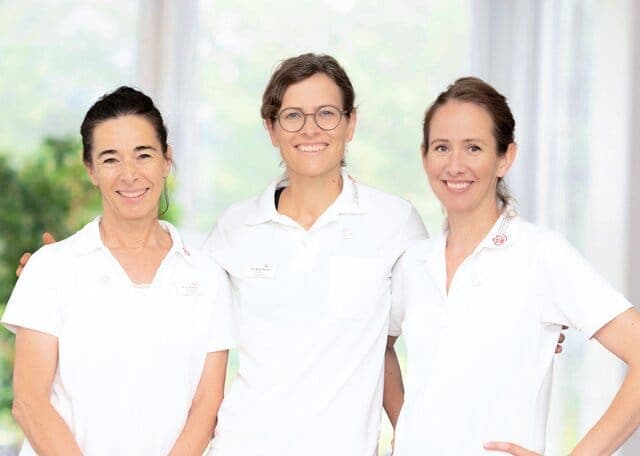
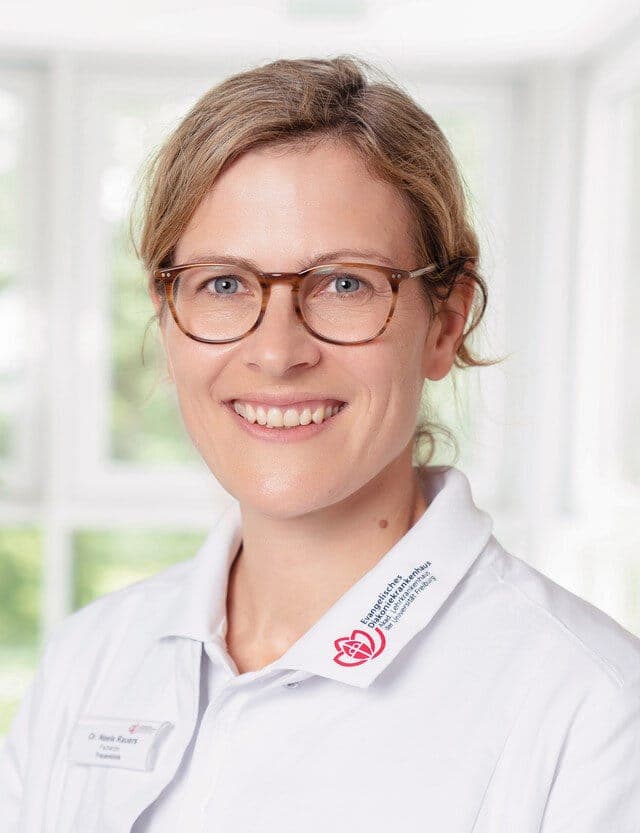
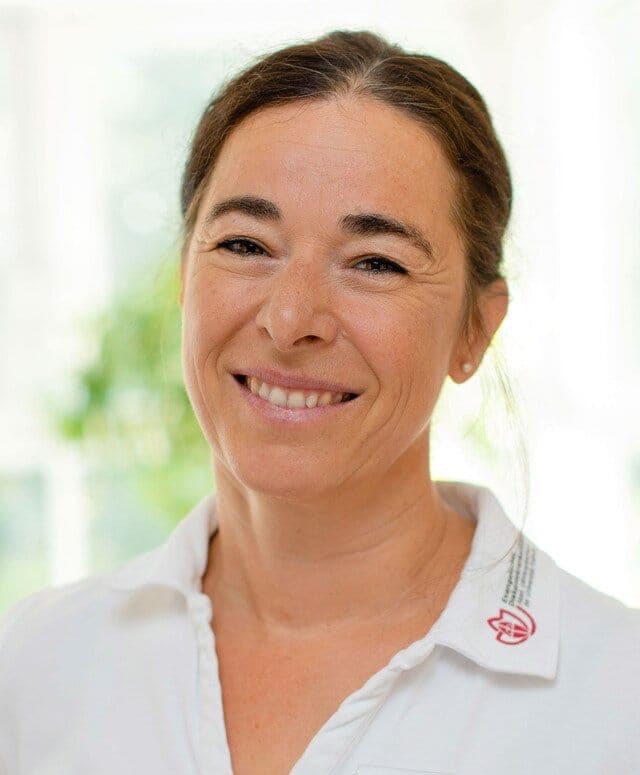
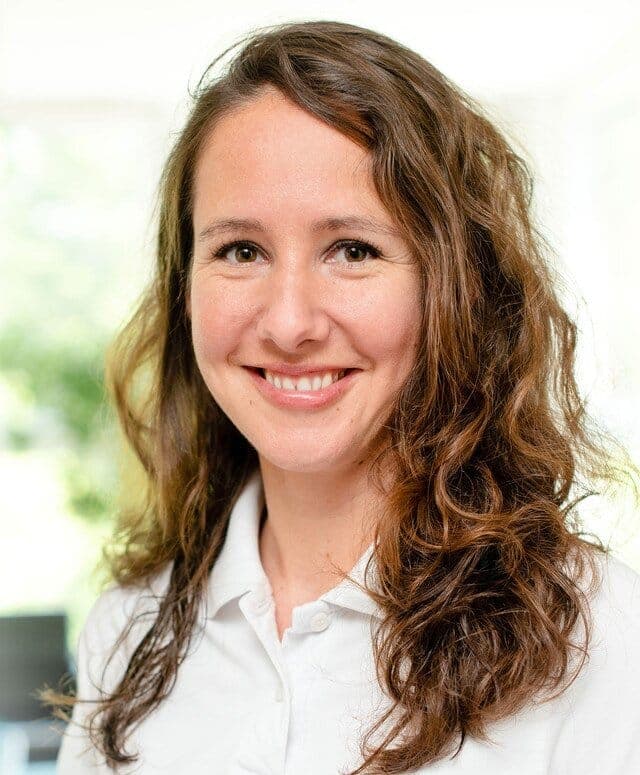
Our Endometriosis Clinic team
Last updated: